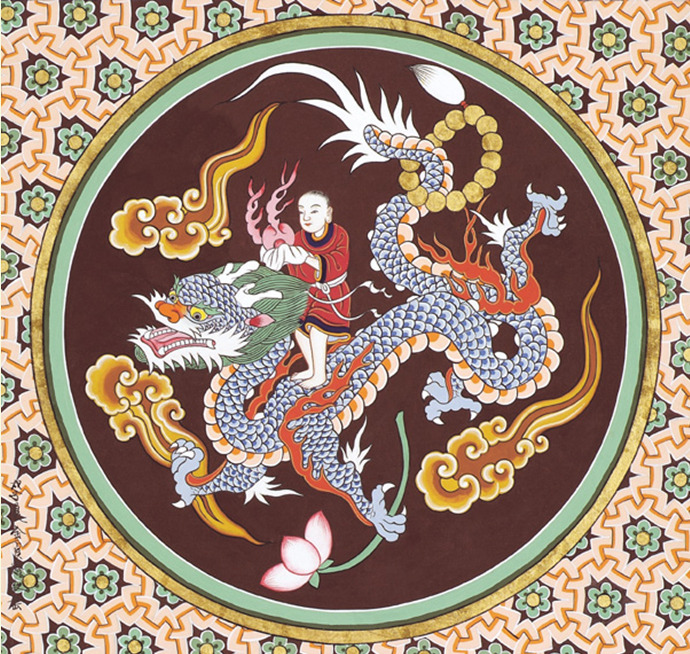
Visions of the Dharma: A Journey into Buddhist Painting
Introduction: The Art of Awakening Welcome to this sanctuary of visual calmness and spiritual depth. Buddhist painting is far more than a decorative art form; it is a profound discipline that bridges the visible world with the invisible realm of enlightenment. For centuries, these works have served not merely as objects of admiration but as mirrors of the mind, guiding practitioners toward inner peace and the realization of truth. On this page, we explore the intricate world of Buddhist art, where every stroke is a prayer and every color holds a vibration of the Dharma. Whether you are a devotee, an art historian, or a seeker of beauty, we invite you to immerse yourself in the sacred narratives and sublime aesthetics that have flourished across Asia and, specifically, within the rich tapestry of Korean history.
The Philosophy: Painting as Meditation In the tradition of Buddhist art, the act of painting is inseparable from the act of meditation. The artist does not simply replicate a physical form; rather, they channel a state of consciousness. Before the brush even touches the silk or paper, the painter must cultivate a clear and focused mind, often through prayer, chanting, or meditation. This process, known as Samadhi in art, ensures that the resulting image is imbued with spiritual energy.
The deities, Bodhisattvas, and guardians depicted are not arbitrary figures. They are manifestations of universal qualities—compassion, wisdom, courage, and equanimity. When we gaze upon a painting of Avalokiteshvara (Gwanseum Bosal) or the Amitabha Buddha, we are not looking at an idol, but rather a reflection of the potential for awakening that lies within each of us. The art serves as an Upaya—a skillful means—to help the viewer transcend the mundane distractions of daily life and connect with a deeper, quieter reality.
The Legacy of Korean Buddhist Painting While Buddhist art spans the globe, the Korean tradition holds a unique and distinguished place in art history. From the exquisite refinement of the Goryeo Dynasty (918–1392) to the bold and dynamic styles of the Joseon Dynasty (1392–1910), Korean Buddhist paintings are renowned for their intricate detail and emotional depth.
- The Elegance of Goryeo: The Buddhist paintings of the Goryeo era are celebrated worldwide as some of the finest religious art ever created. Known for their delicate use of gold pigment and the technique of applying color from the back of the silk (ung-chae) to create a subtle, luminous glow, these works portray a transcendental beauty. The "Water-Moon Avalokiteshvara" is a prime example, displaying a transparency and grace that suggests an ethereal existence beyond the physical realm.
- The Vibrancy of Joseon: Moving into the Joseon era, the style evolved to become more robust and accessible. This period saw the flourishing of Taenghwa (hanging temple paintings) and the massive Gwaebul banners used in outdoor ceremonies. These paintings are characterized by dynamic compositions, vivid primary colors, and a harmonious balance between the sacred and the earthly. They were designed to be viewed by large gatherings, serving as a focal point for communal faith and celebration.
Symbolism and Technique: The Language of Color Understanding Buddhist painting requires learning the language of its symbols. Nothing is placed by accident; every element carries specific meaning.
- The Five Cardinal Colors (Obangsaek): Blue, Red, Yellow, White, and Black represent the directions and the elemental forces of the universe. Their harmonious arrangement is believed to repel evil spirits and invite auspicious energy.
- The Lotus: Rising from the muddy water to bloom in pristine beauty, the lotus is the ultimate symbol of the purity of the Buddha-nature emerging from the suffering of Samsara.
- Mudras and Attributes: The hand gestures (mudras) and objects held by the figures—such as the willow branch, the medicine bowl, or the sword of wisdom—communicate specific powers and blessings available to the practitioner.
The creation of these works demands rigorous discipline. Traditionally, natural mineral pigments (Seokchae) derived from stones like malachite, azurite, and cinnabar are used. These natural colors do not fade easily with time, symbolizing the eternal nature of the Truth. The layering of these pigments requires patience, often taking months or even years to complete a single masterpiece.
Invitation to Reflection In our fast-paced modern world, the stillness of Buddhist art offers a necessary respite. It invites us to slow down, breathe, and look inward. As you browse through the images and stories presented here, try to see beyond the canvas. Let the compassionate gaze of the Bodhisattvas soften your heart, and let the intricate patterns sharpen your focus.
We hope this collection serves as a source of inspiration and tranquility for you. May the beauty of these sacred images bring a moment of peace to your day, and may the wisdom they represent light your path.
"The mind is like a skilled painter; it creates all worlds. There is nothing in the world that is not created by the mind." — Avatamsaka Sutra
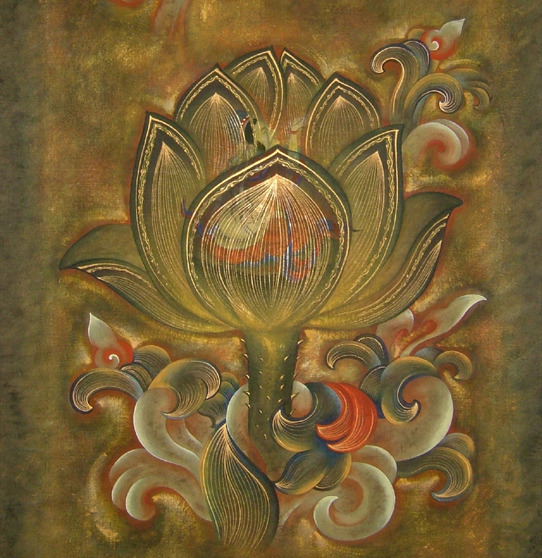
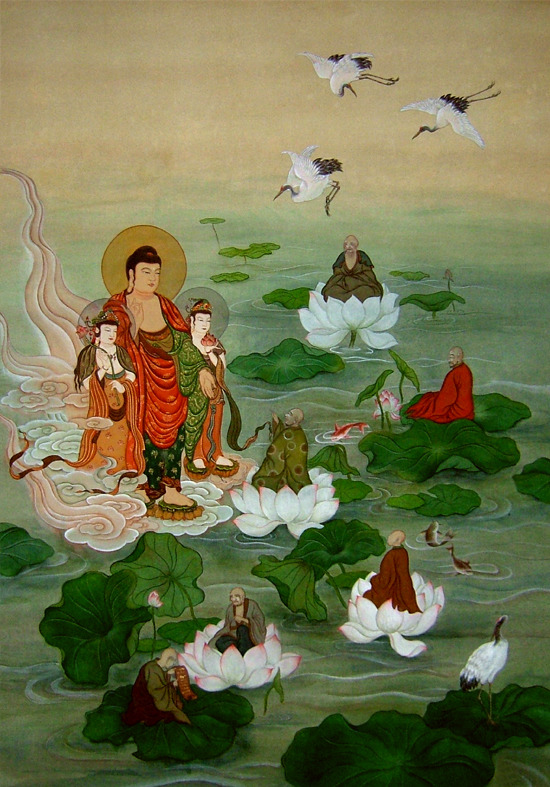
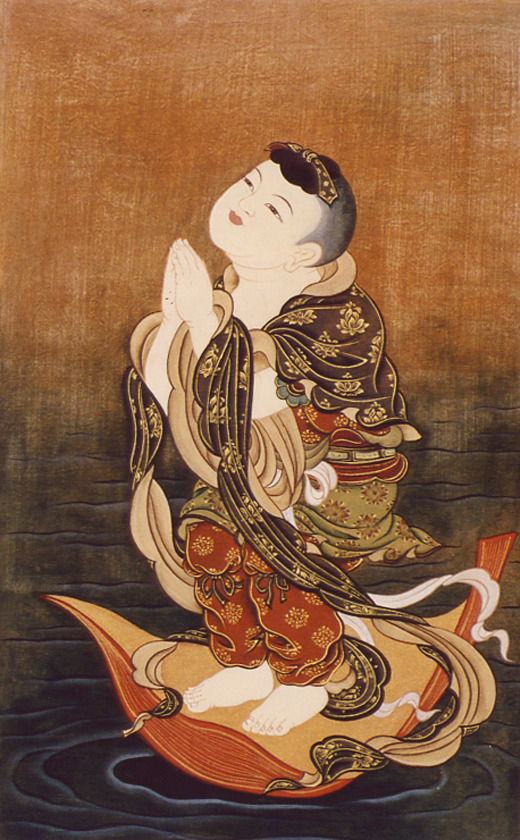

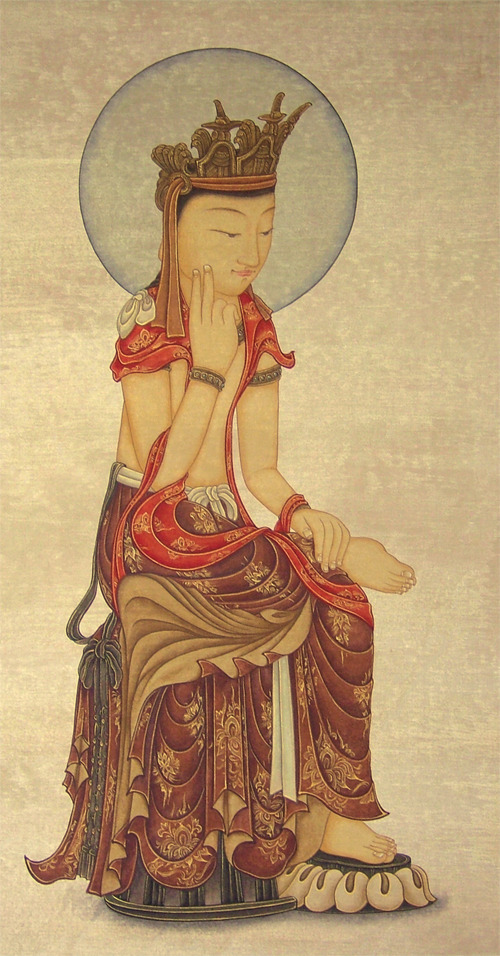
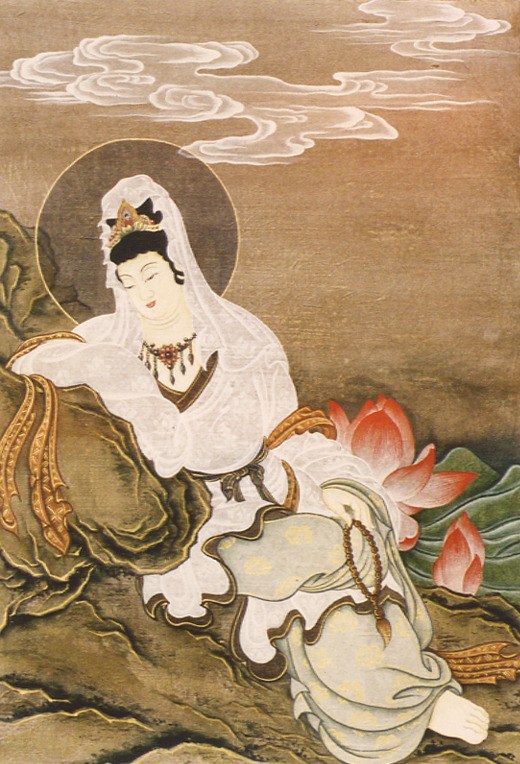
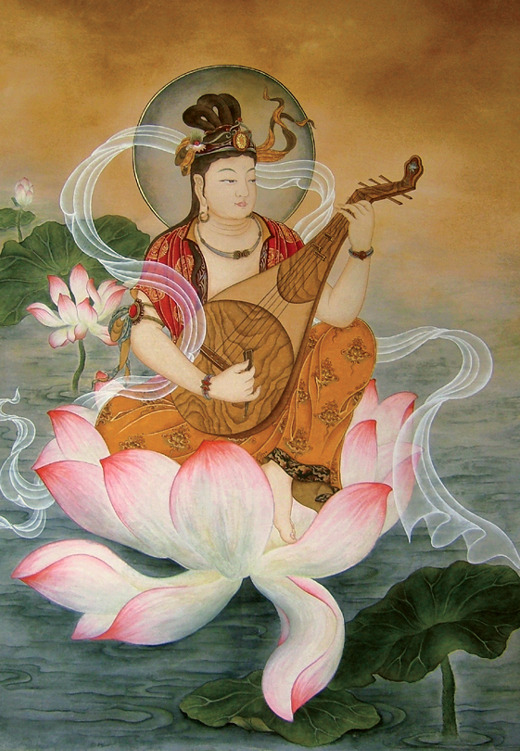
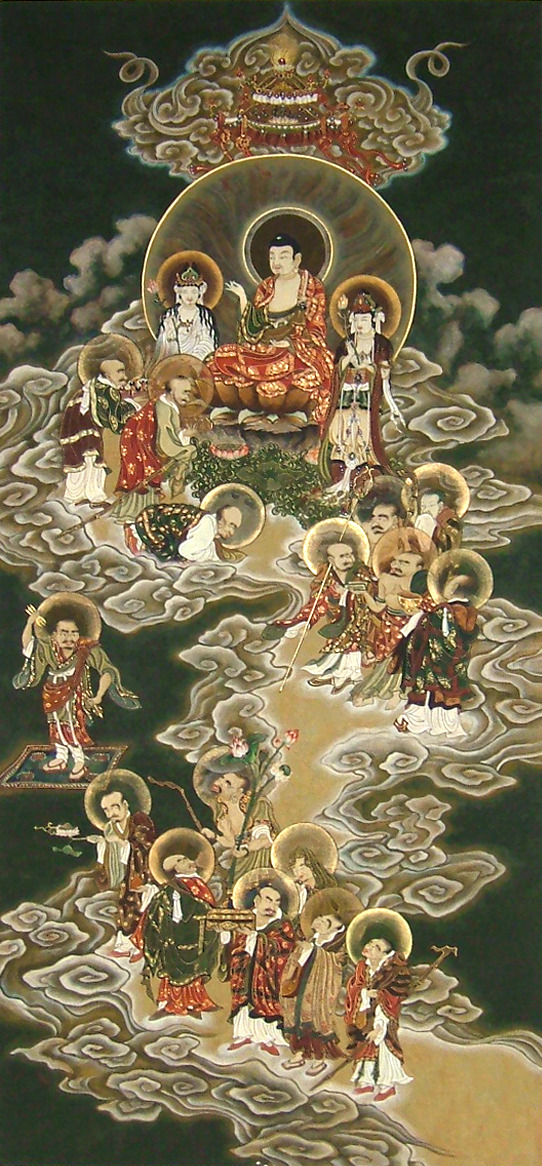
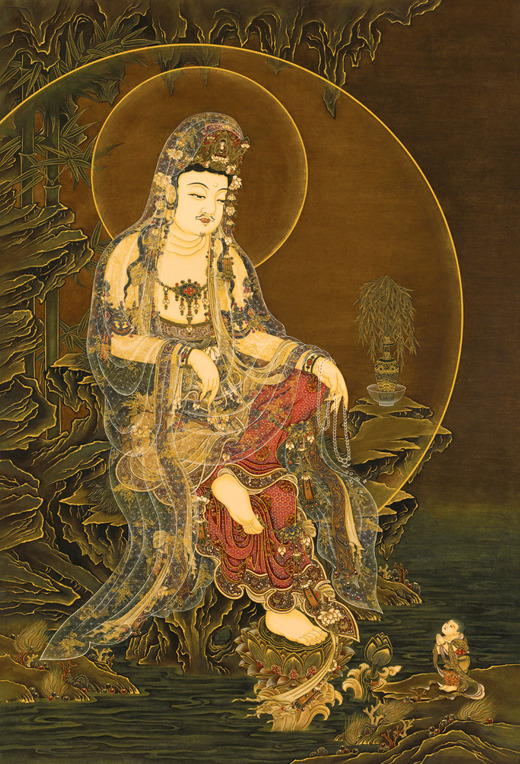
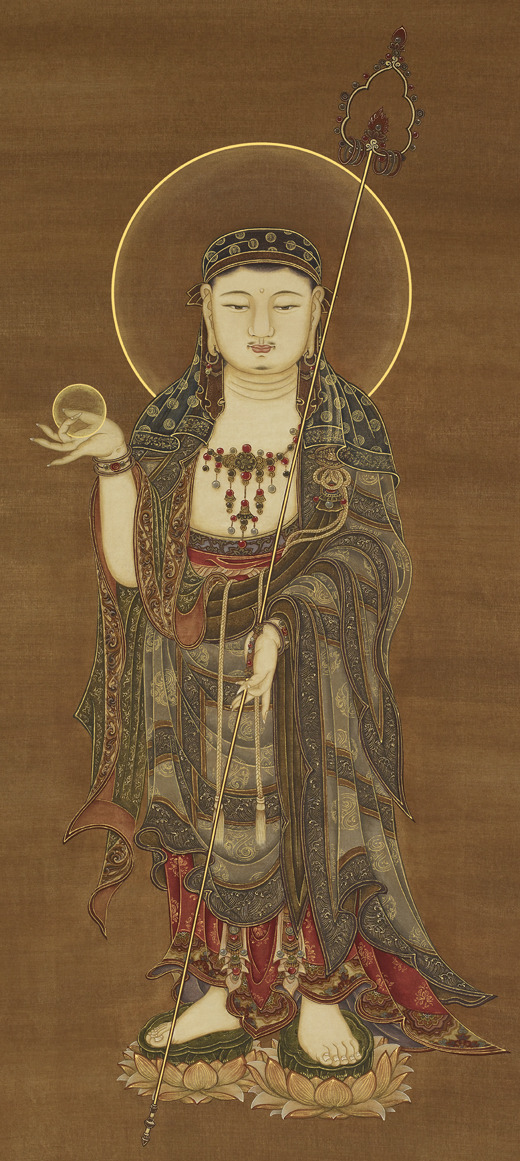
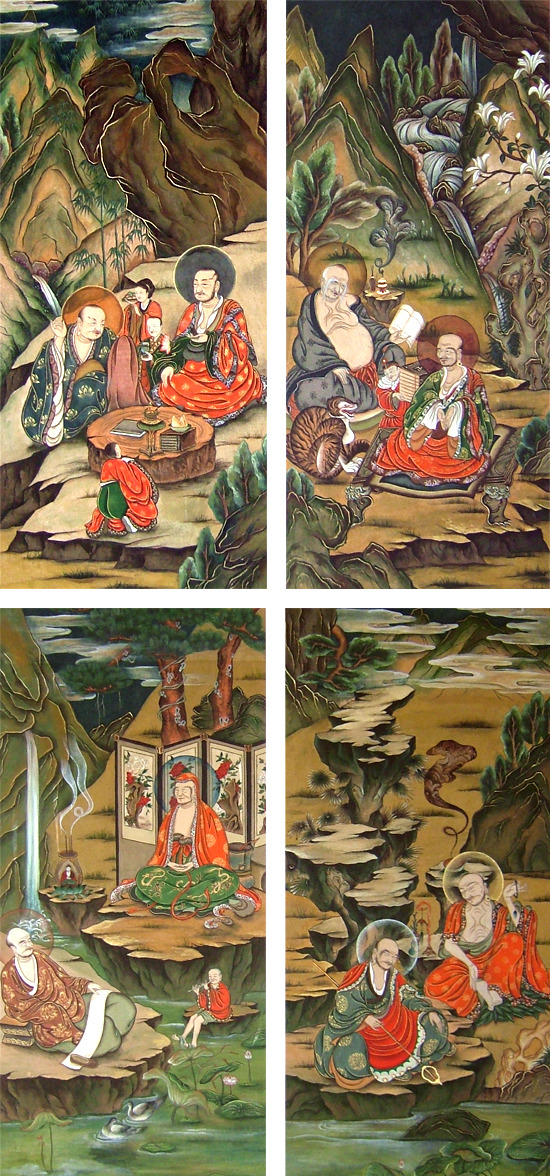
Buddhist Art Painting by Tongdosa Bulhwaban
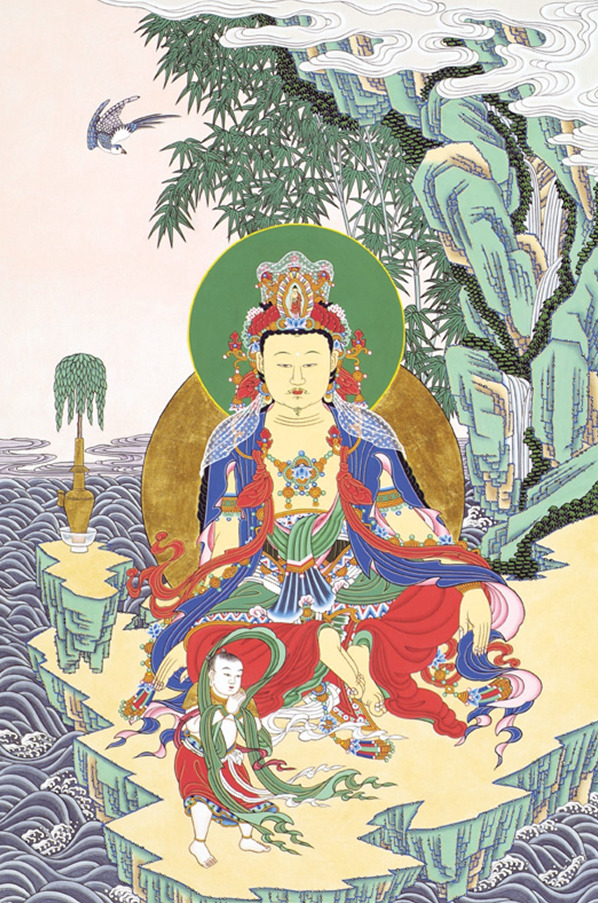
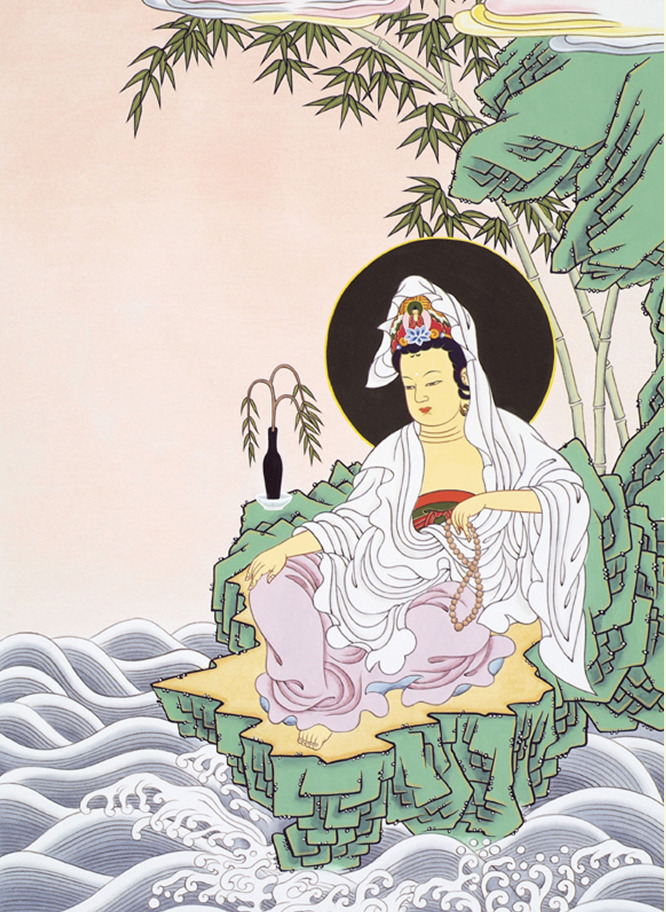
Bodhisattva Avalokitesvara
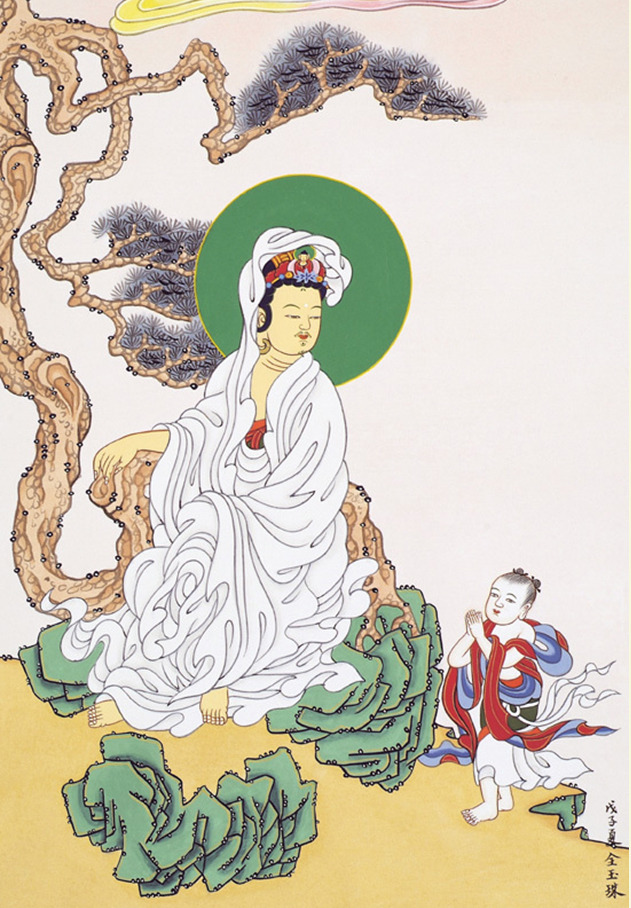
Bodhisattva Avalokitesvara

Bodhisattva Avalokitesvara
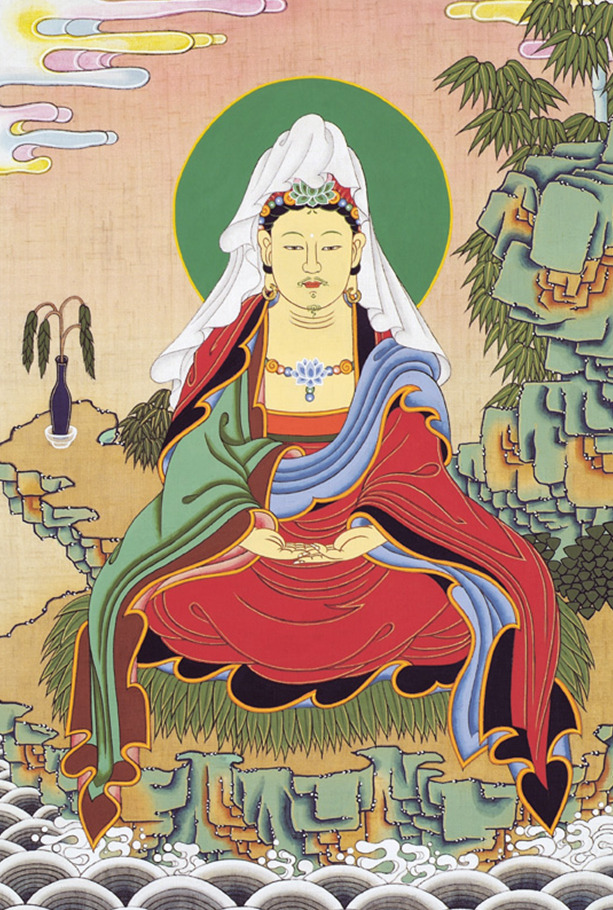
Bodhisattva Avalokitesvara
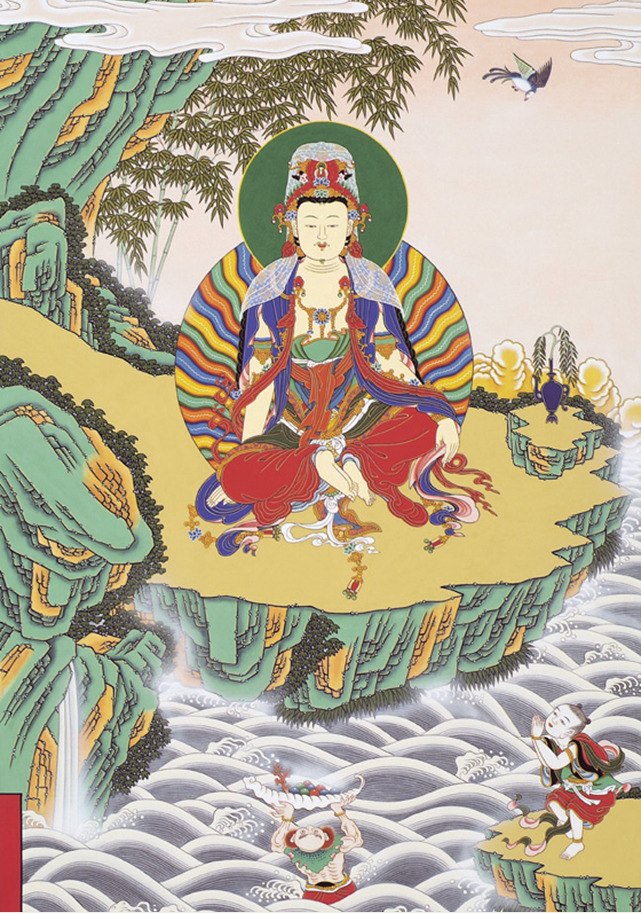
Bodhisattva Avalokitesvara
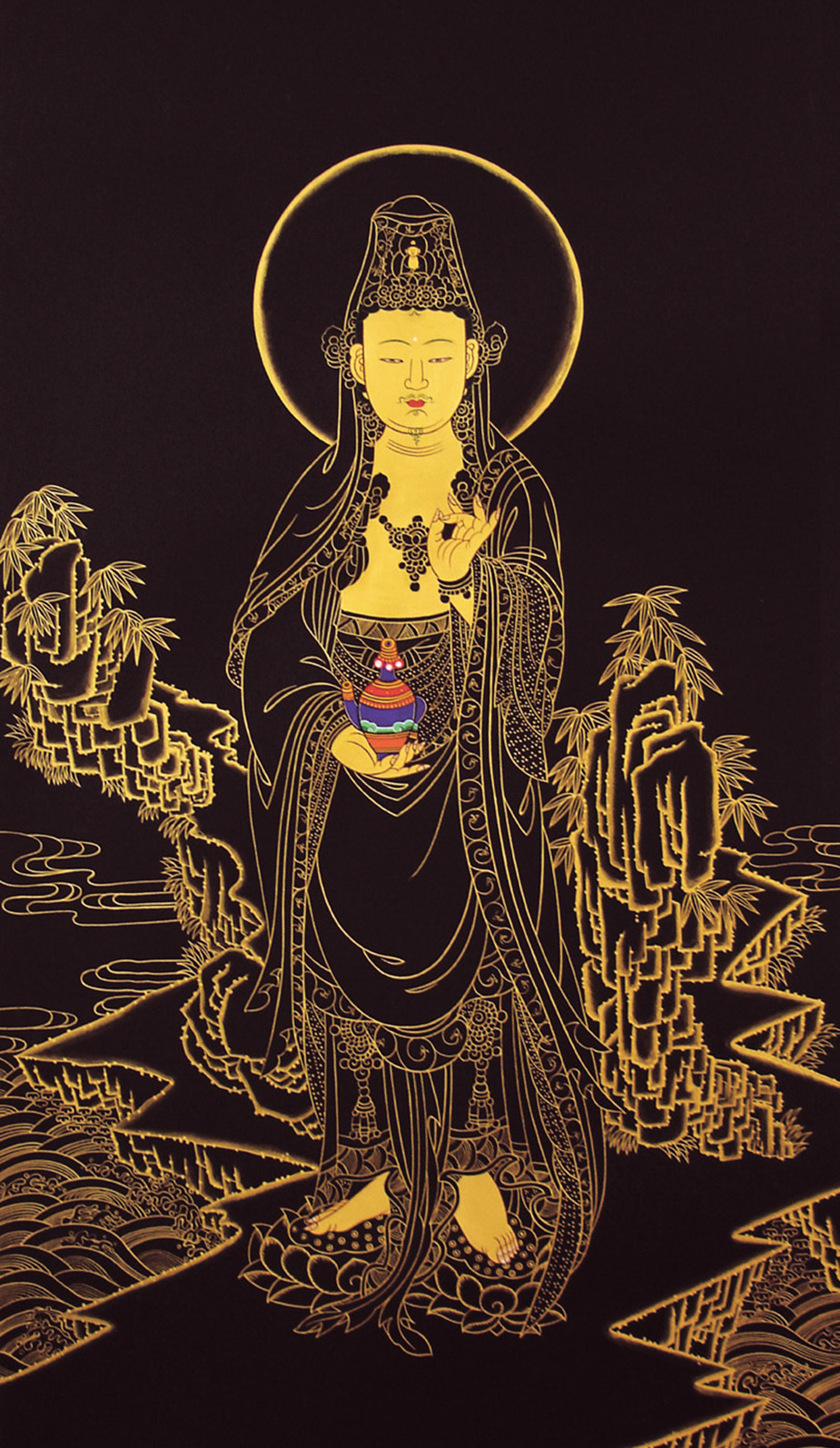
Bodhisattva Avalokitesvara
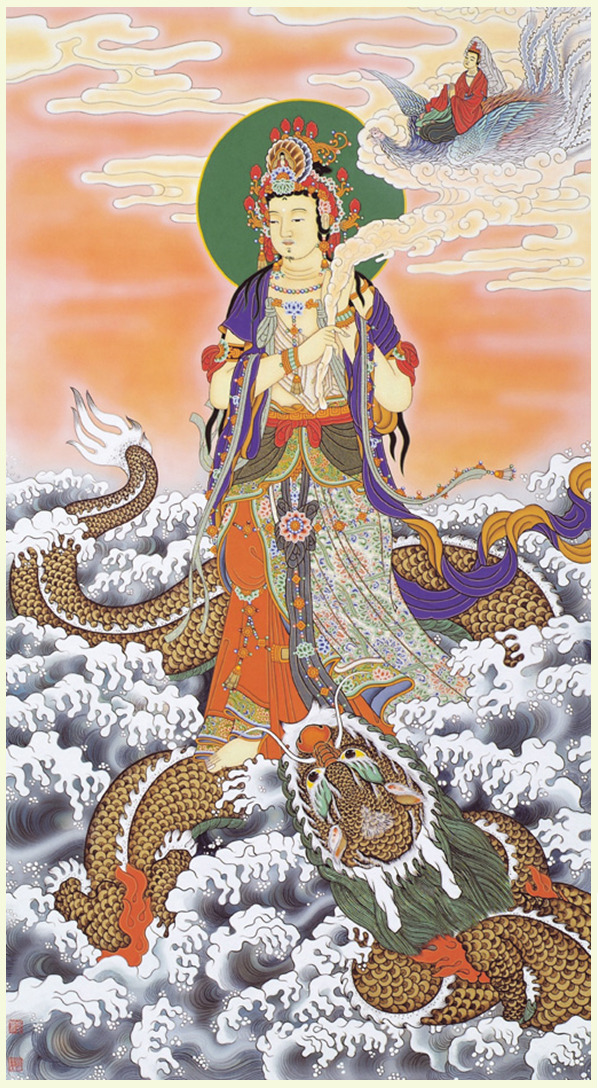
Bodhisattva Avalokitesvara
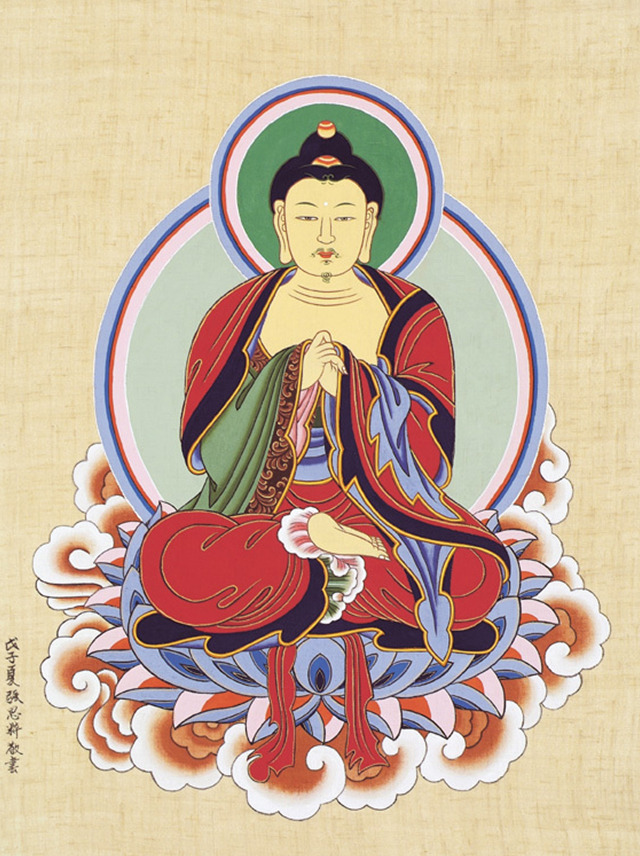
Buddha Images
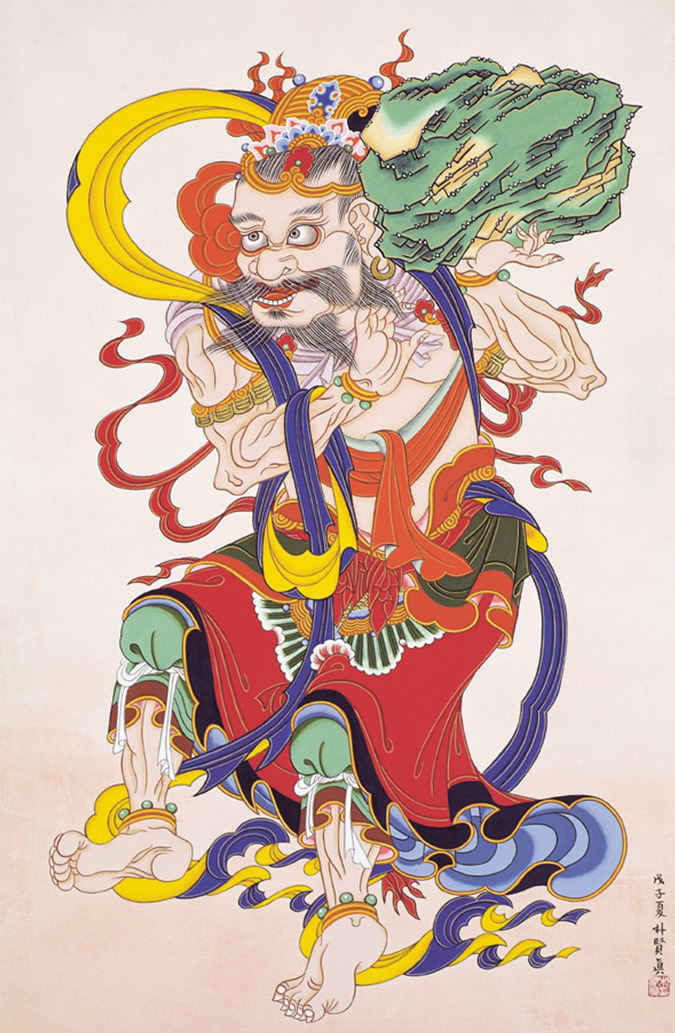
Judges
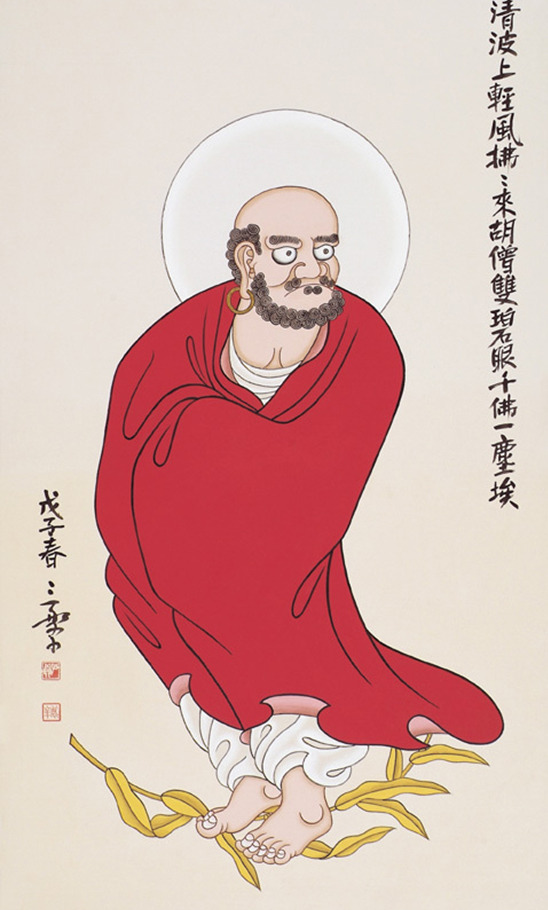
Bodhidharma
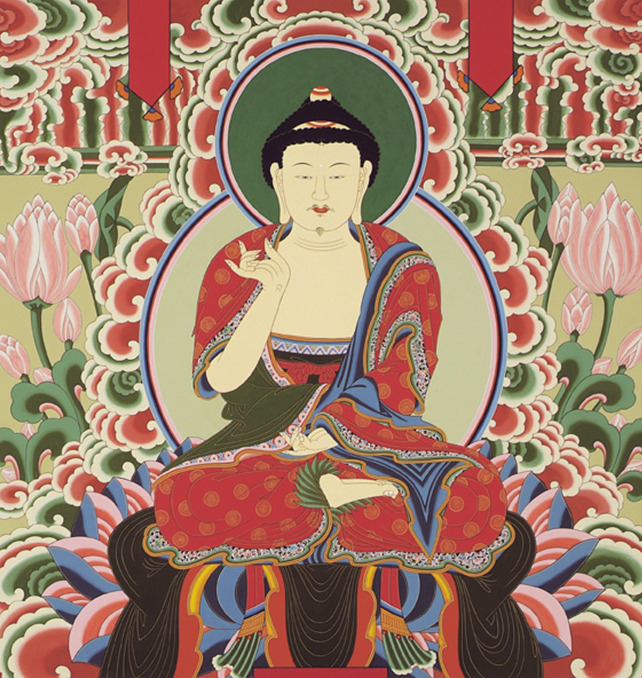
Buddha Images
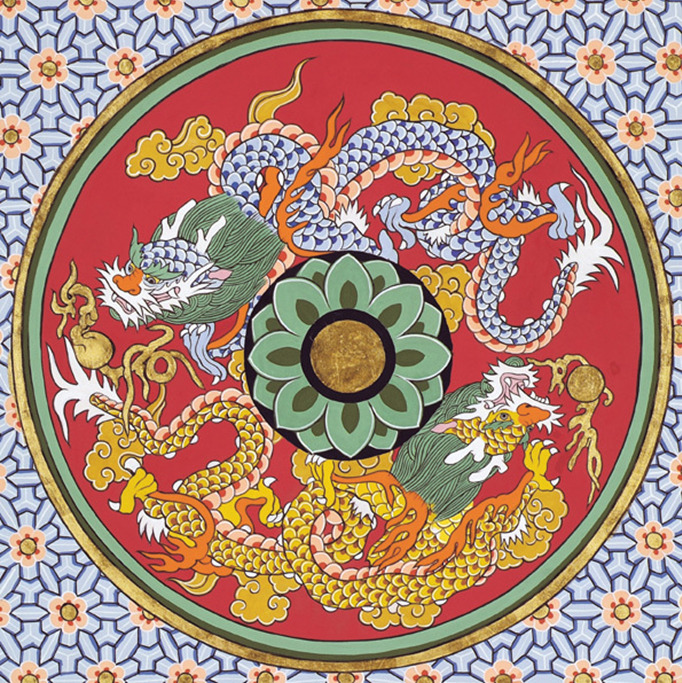
Banja
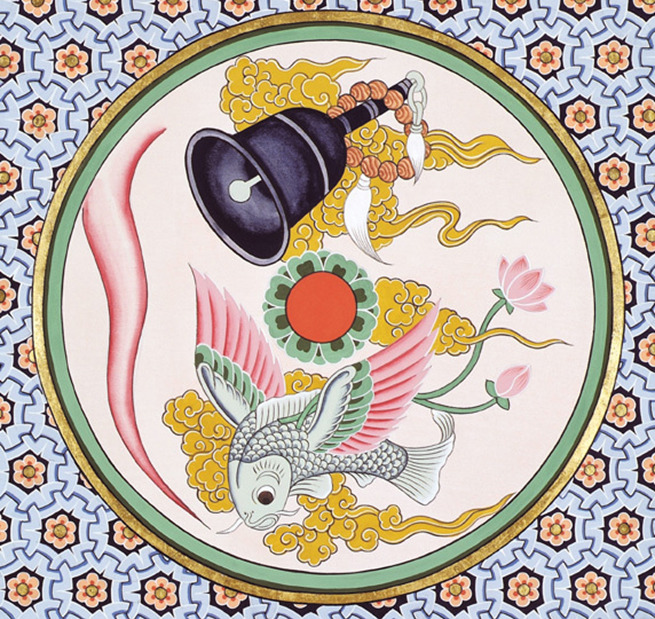
Banja